
📘 Chapter 1: Introduction to Copper Polish Machine
In modern manufacturing, achieving a flawless surface finish is critical—especially when working with materials like copper. A Kupferpoliermaschine plays a vital role in enhancing the appearance, durability, and performance of copper components.
Copper is widely used in industries such as electronics, plumbing, and decorative hardware due to its excellent conductivity and corrosion resistance. However, without proper Kupferpolieren, the surface can easily oxidize, lose its shine, and affect overall product quality.
This is where advanced copper polishing machines come into play. These machines are specifically designed to remove surface imperfections, oxidation layers, and scratches, delivering a mirror-like finish. Whether you are producing precision electrical parts or high-end decorative items, using the best copper polish equipment can significantly improve both efficiency and consistency.
Additionally, with the growing demand for high-quality finishes, many manufacturers are now investing in automated systems that integrate Messing- und Kupferpolitur capabilities, allowing them to handle multiple materials with a single solution.
📘 Chapter 2: What is a Copper Polishing Machine?
A Kupferpoliermaschine is a specialized industrial device designed to enhance the surface finish of copper components through mechanical, chemical, or electrochemical processes. It is widely used to remove oxidation, scratches, burrs, and surface irregularities, ultimately achieving a smooth, shiny, and reflective finish.
These machines operate using rotating polishing wheels, abrasive belts, buffing pads, or advanced plasma/electrolytic systems. Depending on the complexity and precision requirements, a Kupferpoliermaschine can be manual, semi-automatic, or fully automated.
Modern copper polishing machines are often integrated with intelligent control systems, allowing operators to adjust speed, pressure, and polishing compounds. This flexibility ensures consistent results across different product types.
Additionally, many machines today are designed to handle both Kupferpolieren und Messing- und Kupferpolitur, making them versatile for manufacturers working with multiple non-ferrous metals.

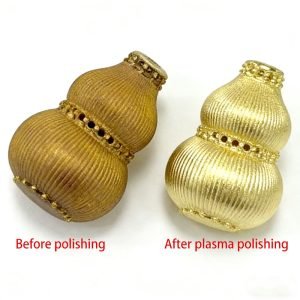
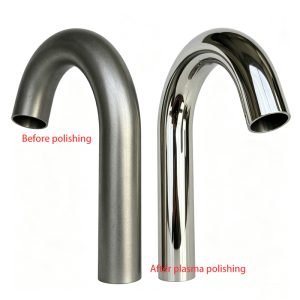
Copper Plasma Polishing Machine
📘 Chapter 3: Why Copper Polishing Matters in Manufacturing
Copper polishing is not just about aesthetics—it directly impacts product performance, lifespan, and market value.
First, proper Kupferpolieren removes oxidation layers that naturally form when copper is exposed to air. These layers can reduce electrical conductivity, making polishing essential in industries like electronics and power systems.
Second, a polished surface improves corrosion resistance. By applying the best copper polish techniques, manufacturers can create a protective finish that slows down environmental degradation.
Third, in decorative and architectural applications, appearance is everything. High-quality copper polishing machines enable manufacturers to achieve mirror-like finishes that enhance product appeal and brand value.
Finally, precision industries such as aerospace and medical equipment require ultra-smooth surfaces to reduce friction and ensure optimal performance. In such cases, advanced copper polishing machines are indispensable.
📘 Chapter 4: Types of Copper Polishing Machines
There are several types of copper polishing machines, each designed for specific applications:
1. Manual Polishing Machines
Ideal for small-scale operations or custom parts. These machines require skilled operators but offer flexibility.
2. Automatic Copper Polishing Machines
Designed for mass production, these machines deliver consistent quality and high efficiency.
3. CNC Polishing Machines
Equipped with programmable controls, CNC systems ensure precision polishing for complex geometries.
4. Vibratory and Tumbling Machines
Used for bulk processing of small parts, especially in Messing- und Kupferpolitur applications.
5. Electrolytic and Plasma Polishing Machines
Advanced systems that use electrochemical reactions to achieve ultra-smooth finishes.
Choosing the right type of copper Poliermaschine depends on production volume, surface requirements, and budget.
📘 Chapter 5: Key Features of the Best Copper Polish Machine
When selecting the best copper polish machine, several critical features should be considered:
High Efficiency – Modern machines significantly reduce polishing time while maintaining quality.
Precision Control – Adjustable speed and pressure ensure consistent results.
Automation Capability – Reduces labor costs and improves productivity.
Durability – High-quality materials extend machine lifespan.
Environmental Friendliness – Advanced systems minimize waste and chemical usage.
A truly high-performance Kupferpoliermaschine combines all these features, delivering both productivity and sustainability.
📘 Chapter 7: How to Choose the Best Copper Polish Machine
Die Wahl des richtigen Kupferpoliermaschine is one of the most critical decisions for manufacturers working with copper components. The wrong equipment can lead to inconsistent finishes, high operational costs, and reduced production efficiency. On the other hand, selecting the best copper polish solution can dramatically improve product quality, streamline production, and enhance your competitive advantage in the market.
1. Understand Your Production Requirements
The first step in choosing a Kupferpoliermaschine is to clearly define your production needs. Are you dealing with small, intricate parts or large copper sheets? Is your production volume low, medium, or high?
For small batch production or customized components, a manual or semi-automatic Kupferpoliermaschine may be sufficient. These machines offer flexibility and control, allowing operators to adjust polishing pressure and angles based on specific product requirements.
However, for high-volume manufacturing, investing in an automatic or CNC-controlled Kupferpoliermaschine is essential. These systems ensure consistent results, reduce labor dependency, and significantly increase throughput.
2. Evaluate Surface Finish Requirements
Different industries require different levels of surface finish. For example:
-
Electronics industry: requires ultra-smooth surfaces for conductivity
-
Decorative products: require mirror-like finishes
-
Industrial parts: may only need basic smoothing
Bei der Auswahl einer Kupferpoliermaschine, it is crucial to determine whether you need rough polishing, fine polishing, or mirror polishing.
Die best copper polish machine should be capable of multi-stage polishing, allowing you to transition from coarse grinding to fine buffing within a single system.
3. Consider Material Compatibility (Copper vs Brass)
Many manufacturers work with both copper and brass. Therefore, it is important to choose a machine that supports Messing- und Kupferpolitur.
Since copper is softer than brass, the machine should have adjustable speed, pressure, and polishing compounds. A versatile Kupferpoliermaschine allows seamless switching between materials without compromising quality.
4. Automation Level and Smart Features
Automation is becoming a key factor in modern manufacturing. Advanced copper polishing machines now come with:
-
PLC control systems
-
Touchscreen interfaces
-
Programmable polishing cycles
-
Automatic loading/unloading systems
These features not only improve efficiency but also ensure repeatability and reduce human error.
If your goal is long-term scalability, investing in an automated Kupferpoliermaschine is a smart decision.
5. Efficiency and Cost Considerations
While the initial investment in a high-end Kupferpoliermaschine may seem significant, it often leads to long-term savings.
Key cost factors to evaluate include:
-
Energy consumption
-
Labor costs
-
Maintenance requirements
-
Consumables (polishing compounds, pads, etc.)
Die best copper polish solution is not necessarily the cheapest machine—it is the one that delivers the highest return on investment.
6. Environmental and Safety Factors
With increasing global regulations, environmental compliance is becoming essential. Modern copper polishing machines are designed to:
-
Reduce dust and emissions
-
Minimize chemical usage
-
Improve waste management
Choosing an eco-friendly Kupferpoliermaschine not only protects the environment but also enhances your brand image.
7. Supplier Reliability and After-Sales Support
Finally, selecting a reputable manufacturer is just as important as choosing the machine itself. A reliable supplier will provide:
-
Technical support
-
Installation guidance
-
Spare parts availability
-
Maintenance training
Eine hohe Qualität Kupferpoliermaschine backed by strong support ensures smooth operation and long-term success.
📘 Chapter 8: Copper Polishing Process Explained
Die copper polishing process is a multi-stage operation designed to gradually refine the surface of copper components from rough to mirror-like finishes. Understanding this process is essential for selecting the right Kupferpoliermaschine and achieving consistent results.
1. Surface Preparation
Before polishing begins, proper cleaning is crucial. Copper surfaces often contain oil, grease, and oxidation layers. These contaminants must be removed using chemical cleaning agents or ultrasonic systems.
Without proper preparation, even the best copper polish machine cannot deliver optimal results.
2. Rough Grinding (Deburring Stage)
The first stage of Kupferpolieren involves removing surface defects such as burrs, scratches, and uneven edges.
This is typically done using abrasive belts or grinding wheels. A robust Kupferpoliermaschine with adjustable pressure ensures efficient material removal without damaging the workpiece.
3. Intermediate Polishing
After rough grinding, the surface is smoother but still lacks shine. Intermediate polishing uses finer abrasives to further refine the surface.
At this stage, selecting the right polishing compound is critical. Many copper polishing machines allow switching between different abrasive media to optimize results.
4. Fine Polishing (Buffing Stage)
Fine polishing is where the surface begins to shine. Soft buffing wheels and polishing pastes are used to eliminate micro-scratches.
This stage is essential for achieving the beste Kupferpolitur quality, especially in decorative or high-end industrial applications.
5. Mirror Finishing
For applications requiring high reflectivity, mirror polishing is performed. Advanced copper polishing machines use precision controls to achieve ultra-smooth finishes.
This process is also applicable to Messing- und Kupferpolitur, making it valuable for manufacturers handling multiple materials.
6. Cleaning and Protection
After polishing, the surface must be cleaned again to remove residues. Protective coatings may be applied to prevent oxidation.
A complete copper polishing process not only enhances appearance but also improves durability and corrosion resistance.
📘 Chapter 9: Applications of Copper Polishing Machines
The versatility of the Kupferpoliermaschine makes it essential across multiple industries.
1. Electronics Industry
Copper is widely used in connectors, circuit boards, and electrical components. High-quality Kupferpolieren ensures optimal conductivity and reliability.
2. Automotive Industry
Copper parts in engines, radiators, and electrical systems require smooth surfaces to reduce friction and improve performance.
3. Plumbing and Hardware
Polished copper fittings are both functional and visually appealing. The beste Kupferpolitur enhances durability and corrosion resistance.
4. Decorative and Architectural Applications
From sculptures to interior design elements, polished copper provides a premium aesthetic.
5. Jewelry and Luxury Goods
Fine copper polishing machines are used to create flawless finishes for jewelry and artistic items.
6. Multi-Material Processing
Modern machines support Messing- und Kupferpolitur, allowing manufacturers to expand product offerings.
📘 Chapter 10: Maintenance Tips for Copper Polishing Machines
Proper maintenance of a Kupferpoliermaschine ensures long-term performance and consistent results.
Key Tips:
-
Regular cleaning of polishing wheels
-
Timely replacement of abrasives
-
Lubrication of moving parts
-
Monitoring machine vibration and noise
-
Calibration of control systems
Preventive maintenance reduces downtime and extends machine lifespan.

📘 Chapter 11: Future Trends in Copper Polishing Technology
The future of Kupferpolieren is driven by automation and sustainability.
Trends include:
-
AI-driven polishing systems
-
Fully automated production lines
-
Eco-friendly polishing compounds
-
Integration with Industry 4.0
-
Smart monitoring systems
These innovations will redefine the best copper polish machine in the coming years.
📘 Chapter 12: Conclusion
In conclusion, the Kupferpoliermaschine is a vital tool for achieving high-quality surface finishes in modern manufacturing.
From understanding the polishing process to selecting the right equipment and maintaining it properly, every step contributes to achieving the best copper polish results.
As industries continue to demand higher quality and efficiency, investing in advanced copper polishing machines will remain a strategic decision for manufacturers.
Get Your Best Copper Polish Machine Today
Upgrade your production with our high-efficiency, reliable, and versatile copper polishing machines. Achieve flawless finishes on both copper and brass components while improving efficiency and reducing maintenance costs.


 Deutsch (Schweiz)
 English
 Français
 Italiano
 Русский
 한국어