
1. Introduction: The Rising Demand for Zinc Polishing in Modern Manufacturing
In today’s competitive manufacturing landscape, surface quality is no longer optional—it is a defining factor of product value. From 3C electronic components to decorative hardware, zinc alloys are widely used due to their excellent castability and cost efficiency. However, achieving a flawless finish through effective zinc polishing remains a technical challenge.
Traditional methods often fall short when dealing with intricate geometries or high aesthetic standards. This is where advanced technologies such as the 플라즈마 연마기 come into play, offering a new path for manufacturers seeking consistency, efficiency, and superior surface performance.
2. What Makes Zinc Alloy Unique? Material Properties That Affect Polishing
Zinc alloys present a unique set of material characteristics that directly influence the effectiveness of any zinc polishing process. Unlike stainless steel or aluminum, zinc has a relatively low melting point and high chemical reactivity, making it far more sensitive to thermal and electrochemical conditions. This sensitivity means that even small deviations in process parameters can lead to significant surface defects.
One of the most critical challenges in polish zinc applications is porosity. Since most zinc components are produced through die casting, microscopic air pockets are often trapped inside the material. During polishing, especially with aggressive or poorly controlled methods, these pores can become exposed, resulting in visible pinholes or surface inconsistencies. This is why surface finishing is not just about polishing—it is also about managing material integrity.
Additionally, zinc alloys tend to form oxide layers quickly when exposed to air or reactive environments. While this can sometimes protect the surface, it also complicates the polishing process by creating uneven reaction zones. Traditional mechanical polishing methods often fail to address these inconsistencies, leaving behind scratches or uneven gloss.
Therefore, understanding these material properties is essential when deciding how to polish zinc alloy. A successful approach requires not only the right equipment but also a deep understanding of how zinc behaves under different processing conditions. This is exactly why advanced solutions such as 플라즈마 연마기 technology are increasingly preferred—they offer the level of precision and control that zinc demands.
3. Plasma Polishing Machine Explained: How It Works for Zinc Alloys
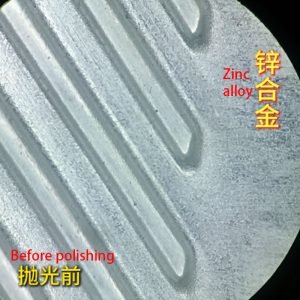
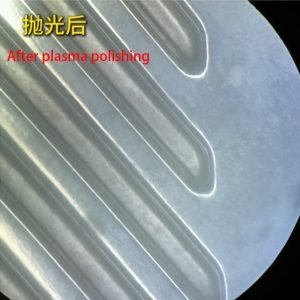
A 플라즈마 연마기 represents one of the most advanced technologies available for modern surface finishing, especially when dealing with sensitive materials like zinc alloys. Unlike traditional polishing methods that rely on mechanical abrasion or purely chemical reactions, plasma polishing combines electrochemical processes with controlled plasma discharge to achieve highly precise material removal.
At its core, the process involves immersing the workpiece in a specially formulated electrolyte while applying an electrical current. Under specific conditions, a thin plasma layer forms around the surface of the zinc alloy. This plasma layer acts as a controlled energy field, selectively dissolving microscopic peaks on the surface without aggressively attacking the base material. The result is a smooth, bright, and uniform finish.
For zinc polishing, this method offers a significant advantage. Because the process is non-contact, it eliminates the risks associated with mechanical stress, such as deformation or surface damage. This is particularly important for thin-walled or intricate components commonly found in electronics and decorative industries.
Another key benefit is consistency. A well-designed 플라즈마 연마기 from a reliable polishing machine factory can maintain stable parameters throughout the process, ensuring repeatable results across large production batches. This level of control is essential when working with zinc, where the process window is narrow and highly sensitive.
Ultimately, plasma polishing is not just a technique—it is a precision-controlled system. For manufacturers seeking reliable how to polish zinc alloy solutions, it offers a balance of efficiency, quality, and scalability that traditional methods simply cannot match.
4. Can You Use Plasma Polishing for Zinc Alloy? The Real Answer
The short answer is yes—zinc alloy can absolutely be processed using plasma technology. However, the more accurate answer is: it works exceptionally well only when the process is specifically engineered for zinc. Unlike more stable metals such as stainless steel, zinc is highly sensitive to electrochemical conditions, which means it cannot be treated with generic polishing parameters.
In real-world manufacturing, plasma-based zinc polishing has already been widely adopted in industries such as 3C electronics, decorative hardware, locks, and sanitary components. These applications demand not only visual quality but also dimensional precision and consistency—areas where plasma technology excels when properly controlled.
The key lies in understanding that zinc is a “narrow process window” material. If the electrolyte composition, temperature, current density, or processing time deviates even slightly from the optimal range, the result can shift rapidly from a bright finish to defects such as blackening, pitting, or even surface breakdown. This is why many manufacturers initially fail when attempting to polish zinc using standard setups designed for other metals.
To successfully implement how to polish zinc alloy, a dedicated process system must be established. This includes tailored electrolyte chemistry, fine-tuned electrical parameters, and stable equipment performance. A high-quality 플라즈마 연마기 is not just a piece of hardware—it is part of an integrated solution that ensures process repeatability.
In summary, zinc alloy is fully compatible with plasma polishing—but only under the right conditions. When handled correctly, it delivers outstanding surface quality; when mismanaged, it quickly exposes its limitations.
5. Key Benefits: Why Plasma Is the Best Polishing Machine Choice for Zinc
When optimized correctly, plasma technology stands out as one of the 최고의 연마기 solutions for zinc alloys, especially in applications where both aesthetics and performance matter.
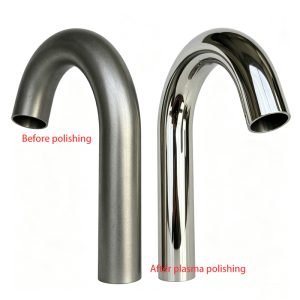
One of the most significant advantages is surface uniformity. Plasma-based zinc polishing removes microscopic irregularities in a controlled and evenly distributed manner, resulting in a consistent, high-gloss finish without directional marks. This is particularly important for visible components where appearance directly affects product value.
Another major benefit is the absence of mechanical stress. Traditional polishing methods rely on physical contact, which can introduce deformation, scratches, or edge rounding. In contrast, plasma polishing operates through electrochemical reactions, ensuring that even delicate or thin-walled zinc parts maintain their original geometry.
The process is also highly effective for complex structures. Components with internal cavities, fine details, or hard-to-reach areas can be polished uniformly—something that is nearly impossible with conventional tools.
Additionally, plasma polishing improves downstream processing. After treatment, zinc parts often exhibit better coating adhesion, making them ideal for electroplating, painting, or other surface treatments. This reduces the likelihood of defects such as blistering or peeling.
From both a technical and economic perspective, plasma polishing provides a compelling solution for manufacturers looking to improve quality while maintaining efficiency.
6. How to Polish Zinc Alloy Properly: Critical Process Guidelines
Mastering how to polish zinc alloy requires more than just selecting the right equipment—it demands a disciplined and highly controlled process strategy.
First and foremost, zinc alloys require dedicated electrolytes. Using formulations designed for stainless steel or other metals will almost certainly lead to failure. The chemical composition must be specifically engineered to match zinc’s reactivity and dissolution behavior.
Second, parameter control is critical. Successful zinc polishing typically operates under low temperature, low current density, and short processing cycles. Because zinc reacts quickly, excessive energy input can cause rapid degradation instead of controlled smoothing.
Pre-treatment is equally important. Any residual oil, oxidation, or contamination on the surface will interfere with the electrochemical reaction. Proper cleaning and degreasing are essential to ensure uniform polishing results.
Another often overlooked factor is raw material quality. Zinc die cast parts with internal porosity or structural inconsistencies may reveal defects after polishing. Therefore, polishing should be considered part of a broader quality control system.
Finally, consistency depends on the equipment and supplier. A professional 연마기 factory provides not only machines but also process expertise, ensuring stable and repeatable outcomes.
6. How to Polish Zinc Alloy Properly: Critical Process Guidelines
Mastering how to polish zinc alloy requires more than just selecting the right equipment—it demands a disciplined and highly controlled process strategy.
First and foremost, zinc alloys require dedicated electrolytes. Using formulations designed for stainless steel or other metals will almost certainly lead to failure. The chemical composition must be specifically engineered to match zinc’s reactivity and dissolution behavior.
Second, parameter control is critical. Successful zinc polishing typically operates under low temperature, low current density, and short processing cycles. Because zinc reacts quickly, excessive energy input can cause rapid degradation instead of controlled smoothing.
Pre-treatment is equally important. Any residual oil, oxidation, or contamination on the surface will interfere with the electrochemical reaction. Proper cleaning and degreasing are essential to ensure uniform polishing results.
Another often overlooked factor is raw material quality. Zinc die cast parts with internal porosity or structural inconsistencies may reveal defects after polishing. Therefore, polishing should be considered part of a broader quality control system.
Finally, consistency depends on the equipment and supplier. A professional polishing machine factory provides not only machines but also process expertise, ensuring stable and repeatable outcomes.
7. Common Problems in Zinc Polishing—and How to Avoid Them
Even with advanced technology, zinc polishing can present several challenges if not carefully managed. Understanding these issues is essential for achieving consistent results.
One of the most common problems is surface blackening. This typically occurs when the temperature or current density is too high, leading to overreaction and oxidation. Controlling these parameters is the first step in prevention.
Another frequent issue is pitting or micro-holes appearing after polishing. In most cases, this is not caused by the polishing process itself but by inherent porosity in the zinc die casting. The polishing simply reveals what already exists beneath the surface.
Uneven polishing is also a concern. This often results from poor pre-treatment, especially when oil or contaminants remain on the surface. These areas resist the electrochemical reaction, creating visible inconsistencies.
To avoid these problems, manufacturers must adopt a systematic approach: use the correct electrolyte, maintain stable parameters, ensure thorough cleaning, and select high-quality raw materials.
Ultimately, successful polish zinc operations depend on process discipline as much as technology.
8. When NOT to Use Plasma Polishing for Zinc Alloy
Plasma polishing is powerful—but not universal. There are scenarios where it may not be the right choice.
For instance, zinc die castings with severe porosity or structural defects are poor candidates. Polishing will only expose these flaws rather than hide them.
Extremely thin or fragile parts also pose risks. Even though the process is non-contact, electrochemical reactions can still affect structural integrity if not carefully controlled.
Additionally, if the base material quality is low but the cosmetic requirement is extremely high, plasma polishing alone may not deliver the desired result.
Choosing the right process starts with understanding its limitations.

9. Choosing the Best Polishing Machine and Factory
Selecting the 최고의 연마기 goes beyond hardware specifications. It is about the entire ecosystem provided by the polishing machine factory.
A qualified supplier should offer customized process solutions, including electrolyte formulation and parameter optimization. Without this, even the most advanced machine may fail.
Experience is another key factor. Manufacturers with proven success in zinc polishing are more likely to deliver stable and repeatable results.
After-sales support is equally important. Fine-tuning parameters and troubleshooting require ongoing technical assistance.
In short, the right partner matters as much as the equipment itself.
10. Future Trends: Smart Zinc Polishing and Automation
The future of zinc polishing is moving toward intelligence and sustainability.
Smart systems integrated into modern 플라즈마 연마기 platforms allow real-time monitoring of temperature, current, and reaction conditions. This reduces human error and improves consistency.
At the same time, environmentally friendly electrolytes are becoming a priority, aligning with global sustainability goals.
As industries such as electronics and decorative hardware continue to evolve, the demand for high-quality zinc polishing will only increase.
11. Conclusion: Is Plasma Polishing the Right Choice for Zinc?
So, is zinc alloy suitable for plasma polishing?
The answer is yes—but with conditions.
It is a high-precision process that delivers excellent results when properly controlled. However, it requires dedicated technology, strict parameters, and high-quality raw materials.
In other words, plasma polishing for zinc is not just a process—it is a system.
Master it, and the results are exceptional. Mismanage it, and problems arise quickly.
Get Your Free Zinc Polishing Solution
✔ Free technical consultation
✔ Fast response within 24 hours
✔ Customized solution


 한국어
 English
 Français
 Deutsch (Schweiz)
 Italiano
 Русский